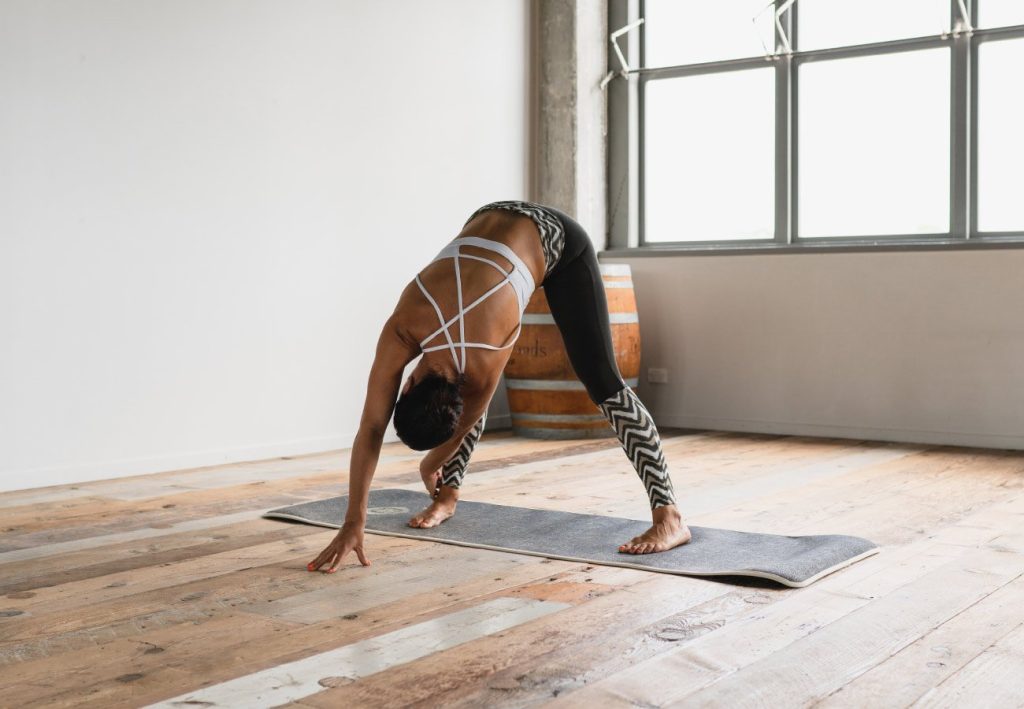

Understanding Calf Stiffness, Ankle Mobility & What Actually Helps
You wake up with stiff calves. Your legs feel tight after sitting at your desk. Or maybe you’re halfway through a run, workout, or long walk when that familiar tension returns.
You stretch, feel better for a while, and then the tightness comes back.
Sound familiar?
Persistent calf tightness isn’t always just about flexibility. Understanding how your muscles, ankles, and daily movement habits work together can help you make better decisions about your mobility routine.
Why Do My Calves Feel Tight Even When I Stretch?
Your calf consists of two major muscles: the gastrocnemius, which crosses your knee and ankle, and the deeper soleus, which works primarily across your ankle.
Together, these muscles support walking, running, balance, and lower-body movement.
Several factors may contribute to tight or stiff calves:
- Prolonged sitting: Spending hours in one position can leave your lower legs feeling stiff when you start moving again.
- Repetitive activity: Running, hiking, and high-impact exercise place repeated demands on your calf muscles.
- Limited ankle mobility: Restricted ankle movement can affect how you walk, squat, and perform exercises.
- Training load: Increasing exercise intensity or volume without adequate adaptation can contribute to muscle soreness and fatigue.
Interestingly, the sensation of tightness doesn’t always mean your muscles are physically shortened. Sometimes, it reflects fatigue, sensitivity, or how your body responds to movement.
How Are Tight Calves Connected to Ankle Mobility?
One movement worth understanding is ankle dorsiflexion—the ability to bring your foot upward toward your shin.
You use dorsiflexion when walking downstairs, bending your knees over your toes, or lowering into a squat.
Limited ankle dorsiflexion can make these movements feel restricted. Some people compensate by lifting their heels, changing their stance, or shifting movement demands elsewhere.
However, not every ankle restriction comes from tight calf muscles. Joint mobility, previous injuries, and individual anatomy can also play a role.
That’s why improving mobility often requires more than simply stretching harder.
Straight-Knee vs. Bent-Knee Calf Stretching: What’s the Difference?
Not all calf stretches target your muscles in exactly the same way.
Straight-Knee Calf Stretch
Keeping your knee relatively straight places greater emphasis on the gastrocnemius muscle.
This is commonly performed against a wall, on a step, or using a slant board for calf stretching.
Bent-Knee Calf Stretch
Bending your knee reduces some of the gastrocnemius tension and shifts greater emphasis toward the deeper soleus muscle.
Both variations can have a place in a balanced calf mobility routine.
The key isn’t how deeply you stretch. It’s choosing a comfortable position and maintaining control.
What Actually Helps Improve Calf Flexibility and Ankle Mobility?
A practical approach combines several movement strategies rather than relying on stretching alone.
1. Gentle, Consistent Stretching
Explore comfortable straight-knee and bent-knee calf stretches without bouncing or forcing the movement.
2. Controlled Ankle Movement
Slowly move your ankle through a comfortable range. Exercises such as supported knee-to-wall movements can help you explore dorsiflexion.
3. Progressive Calf Strengthening
Calf raises and other appropriate strengthening exercises help develop the muscular capacity needed for everyday activities and exercise.
4. Adjustable Stretching Positions
An adjustable incline surface, such as a slant board, provides a repeatable foot position for calf stretching. Begin with a comfortable angle rather than assuming a steeper incline produces better results.
5. Better Movement Habits
Take breaks from prolonged sitting, vary your daily movement, and adjust training demands gradually.
How Often Should You Stretch Tight Calves?
There’s no universal schedule that works for everyone.
For general mobility, consider incorporating a few minutes of comfortable stretching and ankle movement into your regular routine.
Pay attention to how your calves respond during activity and afterward. More stretching isn’t necessarily better, especially if discomfort increases.
If calf tightness is accompanied by persistent heel pain, Achilles discomfort, recurring nighttime cramps, numbness, or swelling, professional assessment may be appropriate. Sudden severe pain or unexplained one-sided calf swelling requires prompt medical attention.
Better Movement Starts With Understanding Your Body
Tight calves aren’t always a problem that needs a deeper stretch.
Sometimes, improving movement means combining flexibility, strength, gradual progression, and more consistent daily habits.
Whether you’re preparing for a workout, spending long hours on your feet, or simply hoping to move more comfortably, understanding what your body needs is a meaningful first step.
Move with intention. Make consistency part of your routine.